
Cleaning your home shouldn’t feel like a never-ending chore. Yet, without the proper equipment, it often does. That’s why choosing the Right Vacuum Tools for Your Cleaning Needs can completely transform your cleaning routine. The right attachments and accessories help you clean faster, reach tight spaces, protect delicate surfaces, and even improve indoor air quality.
In this comprehensive guide, we’ll explore everything you need to know, from different vacuum tools and their uses to expert buying tips and maintenance advice. Whether you own a premium model from brands like Dyson or SharkNinja, or a classic canister vacuum from Miele or Bissell, the right tools make all the difference.
Let’s dive in.
Why Vacuum Tools Matter More Than You Think
Vacuum cleaners are powerful machines. But without the right tools, even the best motor can’t deliver great results. Attachments are designed to target specific surfaces, dirt types, and hard-to-reach areas.
For example:
- A crevice tool can remove crumbs between couch cushions.
- A dusting brush protects delicate shelves.
- A motorized brush lifts embedded pet hair.
Using the wrong tool can:
- Scratch hardwood floors
- Reduce suction efficiency
- Wear out carpets
- Waste time and energy
In short, tools aren’t optional extras; they’re essential.
Understanding Different Types of Vacuum Cleaners
Before selecting attachments, you must understand your vacuum type.
Upright Vacuums
These are powerful and ideal for large carpeted areas. They often include onboard tools and motorized brush rolls.
Canister Vacuums
Flexible and versatile, these are excellent for stairs, under furniture, and hard floors.
Stick Vacuums
Lightweight and cordless, stick vacuums are perfect for quick cleanups.
Handheld Vacuums
Compact and convenient, these work well for cars, furniture, and small spills. Each vacuum type supports different attachments, so compatibility matters.
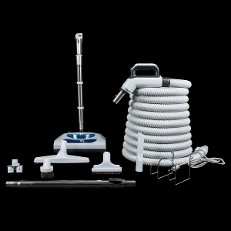
Essential Vacuum Attachments Explained
Let’s break down the must-have tools.
Crevice Tool
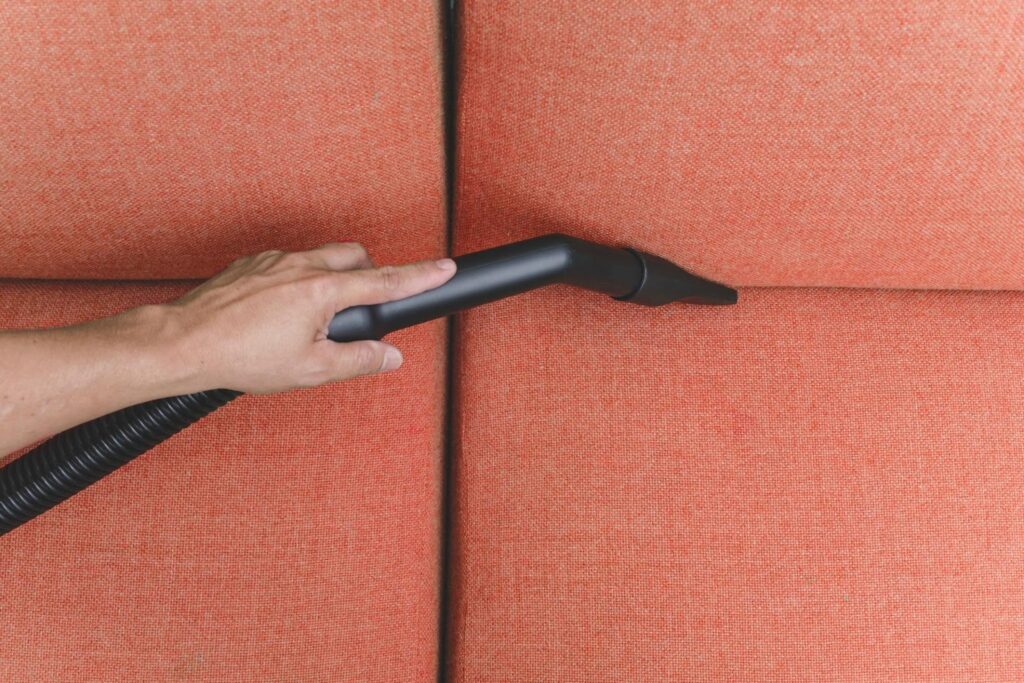
This narrow tool is perfect for:
- Corners
- Baseboards
- Between cushions
- Car interiors
It directs suction into tight spaces where dust hides.
Dusting Brush
With soft bristles, this tool protects:
- Bookshelves
- Lampshades
- Blinds
- Electronics
It gently lifts dust without scratching surfaces.
Upholstery Tool
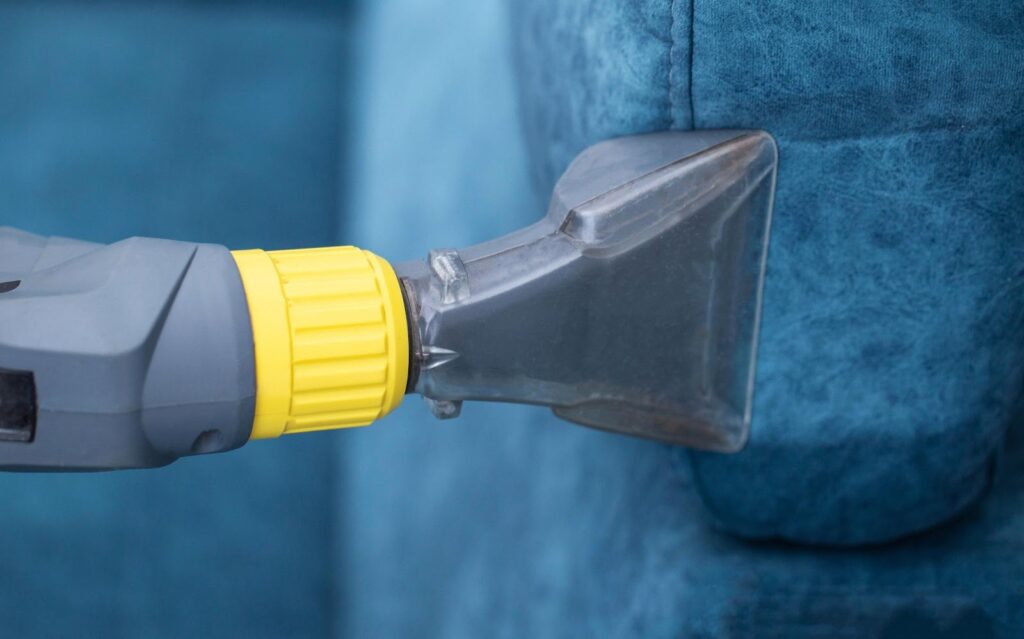
Designed for:
- Sofas
- Chairs
- Curtains
- Mattresses
It removes embedded debris from fabric surfaces.
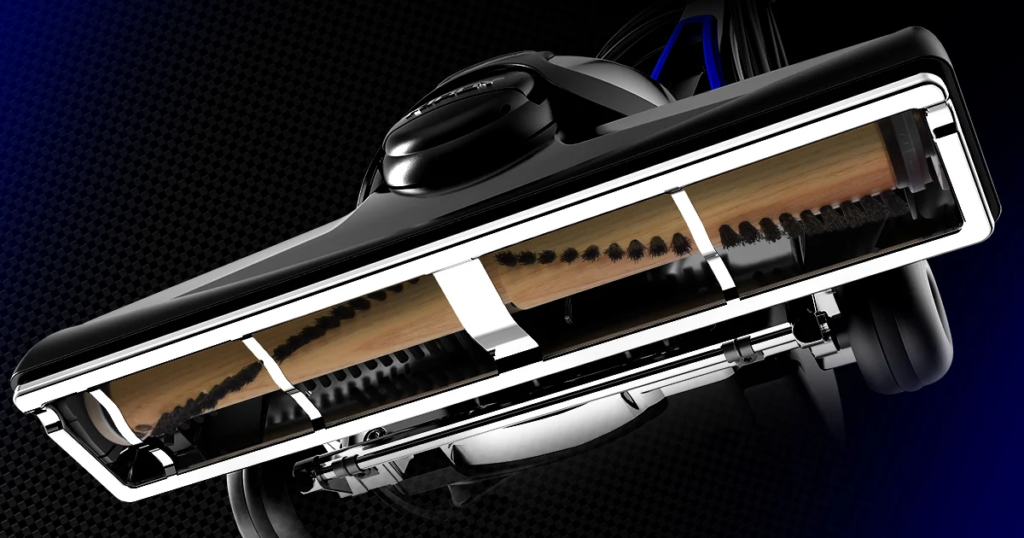
Motorized Brush Roll
Best for carpets and pet hair, this attachment agitates fibers to release trapped dirt.
Extension Wand
Adds reach for ceilings, fans, and under furniture. It saves your back literally!
Specialty Vacuum Tools for Specific Cleaning Jobs
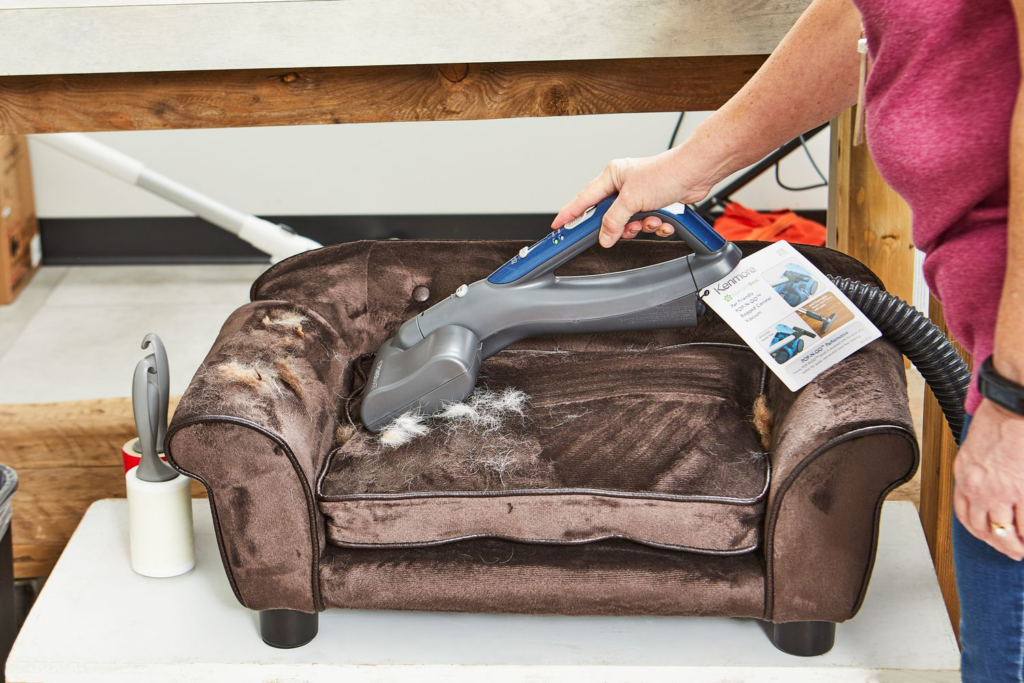
Not all cleaning tasks are the same. Some require specialized solutions.
Pet Hair Removal Tools
If you have pets, this is non-negotiable. These tools:
- Prevent clogging
- Reduce allergens
- Lift stubborn fur
Motorized pet brushes work especially well on thick carpets.
Mattress Cleaning Tools
Mattresses collect dust mites and allergens. A wide suction tool with strong airflow is ideal.
For more on allergen control, check out resources from the American Lung Association:
https://www.lung.org/clean-air/at-home/indoor-air-pollutants
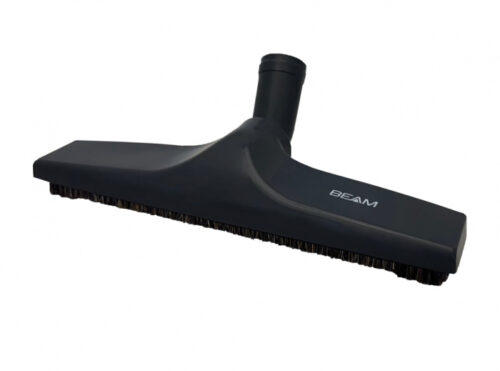
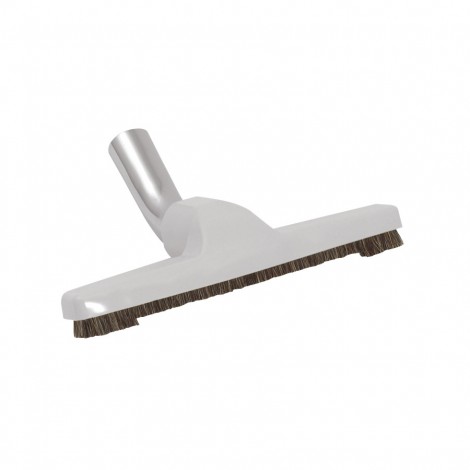
Hardwood Floor Attachments
These have soft rollers to avoid scratching delicate surfaces.
Carpet Deep-Clean Brushes
High-powered rotating brushes loosen deep dirt in high-traffic areas.
How to Match Vacuum Tools to Your Flooring Type
Choosing tools depends heavily on the flooring.
| Flooring Type | Recommended Tool |
| Hardwood | Soft roller head |
| Carpet | Motorized brush |
| Tile | Multi-surface brush |
| Rugs | Adjustable suction tool |
Using the wrong attachment can damage floors or reduce cleaning effectiveness.
Choosing the Right Vacuum Tools for Your Cleaning Needs in Multi-Surface Homes
Modern homes often combine hardwood, carpet, tile, and rugs. That’s where versatility matters most.
When choosing the Right Vacuum Tools for Your Cleaning Needs, consider:
- Adjustable suction settings
- Interchangeable heads
- Swivel steering
- Lightweight attachments
A multi-surface brush head is often the best investment. It saves time switching tools constantly.
Vacuum Tools for Allergy and Asthma Relief
Indoor air quality is critical. Tools paired with HEPA filtration systems capture microscopic particles like:
- Pollen
- Dust mites
- Pet dander
Sealed systems prevent particles from escaping back into the air.
Corded vs. Cordless Tool Compatibility
Cordless vacuums offer flexibility but may have:
- Smaller attachments
- Limited motorized options
Corded models often provide:
- Stronger suction
- Larger cleaning heads
Match tools to your cleaning habits.
Tool Materials and Build Quality
Durability matters. Look for:
- Reinforced plastic
- Stainless steel wands
- Secure locking mechanisms
Cheap tools crack easily and reduce suction efficiency.
Maintenance Tips to Extend Tool Lifespan
Keep your tools in top shape:
- Clean brushes weekly
- Remove tangled hair
- Wash filters regularly
- Check for cracks
Proper maintenance keeps suction strong and extends product life.
Cost vs. Value: Are Premium Tools Worth It?
Premium attachments cost more but often last longer.
Benefits include:
- Better airflow design
- Improved materials
- Enhanced ergonomics
If you clean frequently, investing in quality tools pays off.
Common Mistakes to Avoid When Buying Vacuum Tools
Avoid these errors:
- Buying incompatible attachments
- Ignoring the flooring type
- Choosing style over function
- Skipping maintenance
Smart choices prevent frustration later.
FAQs
1. How do I know if a vacuum attachment is compatible with my vacuum?
Check the manufacturer’s guide or measure the wand diameter before purchasing.
2. Are motorized brush tools safe for hardwood floors?
Not usually. They may scratch surfaces. Use soft roller attachments instead.
3. How often should vacuum tools be cleaned?
Ideally, once a month or more often if you have pets.
4. Do I need specialty tools if I don’t have pets?
Not necessarily. Standard attachments may be sufficient.
5. Are expensive vacuum tools better?
Higher cost often means better durability and performance, but always compare features.
6. Can the wrong vacuum tool damage my flooring?
Yes. Using aggressive brush rolls on delicate surfaces can cause scratches.
Conclusion
Choosing the Right Vacuum Tools for Your Cleaning Needs is not just about convenience; it’s about efficiency, protection, and long-term value. The correct attachments help you clean smarter, not harder. They protect your floors, improve air quality, and make every cleaning session faster and more effective.
By understanding your vacuum type, flooring materials, and specific cleaning challenges, you can confidently select tools that truly fit your lifestyle. Invest wisely, maintain regularly, and enjoy a cleaner, healthier home.