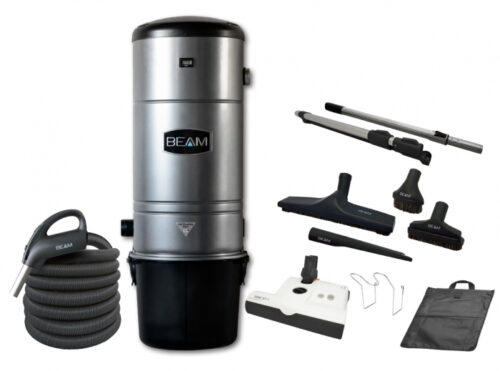

Beam central vacuum systems are known for their powerful suction, durability, and convenience. Unlike traditional portable vacuums, these systems are built into the home and designed to last for many years with minimal maintenance. However, even the most reliable system requires routine care to maintain peak performance and extend its lifespan.
Proper maintenance not only preserves suction power but also improves indoor air quality, protects the motor, and helps you avoid costly repairs. Whether you’re a homeowner or a technician, following a few expert maintenance practices can keep your Beam vacuum system running smoothly for 15–20 years or longer.
In this guide, you’ll learn 10 expert maintenance tips that professionals recommend for keeping your Beam vacuum system operating at its best.
Understanding How a Beam Vacuum System Works
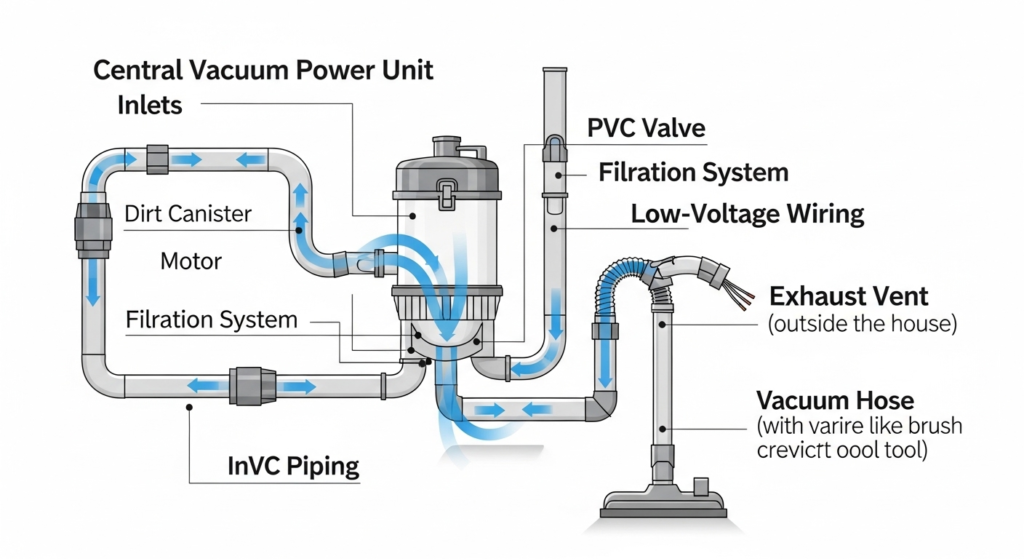
Before diving into maintenance tips, it helps to understand the key components of a Beam central vacuum system and how they function together.
Key Components of a Beam Vacuum System
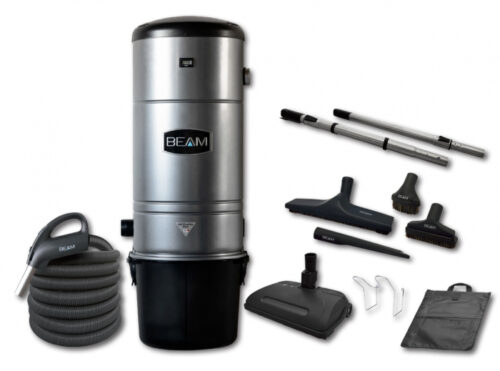
A typical Beam vacuum system consists of several important parts:
- Power Unit – The main motor and suction generator, usually installed in a garage or utility room
- Dirt Canister or Collection Bin – Stores debris collected through the system
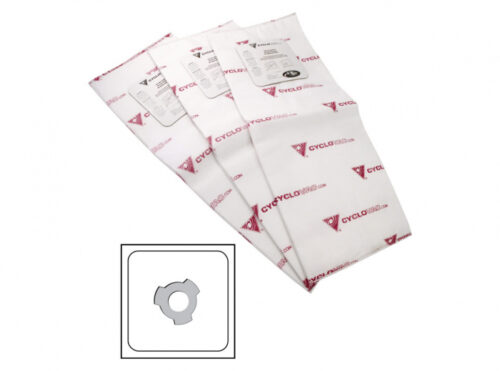
- Filtration System – Prevents dust and particles from re-entering the air
- Inlet Valves – Installed throughout the home where hoses connect
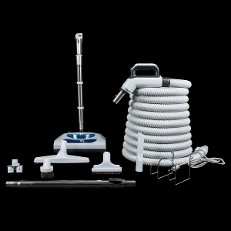
- Vacuum Hose and Attachments – Used to clean floors, furniture, and surfaces
When the hose is plugged into an inlet, debris travels through hidden pipes to the central unit where it is collected in the canister.
Why Routine Maintenance Matters
Maintaining your Beam vacuum system ensures:
- Consistent strong suction power
- Longer motor lifespan
- Improved indoor air quality
- Reduced repair costs
- More efficient system performance
Even though central vacuum systems require less maintenance than portable units, neglecting basic upkeep can lead to clogs, reduced suction, and motor strain.
10 Expert Tips to Maintain Your Beam Vacuum System
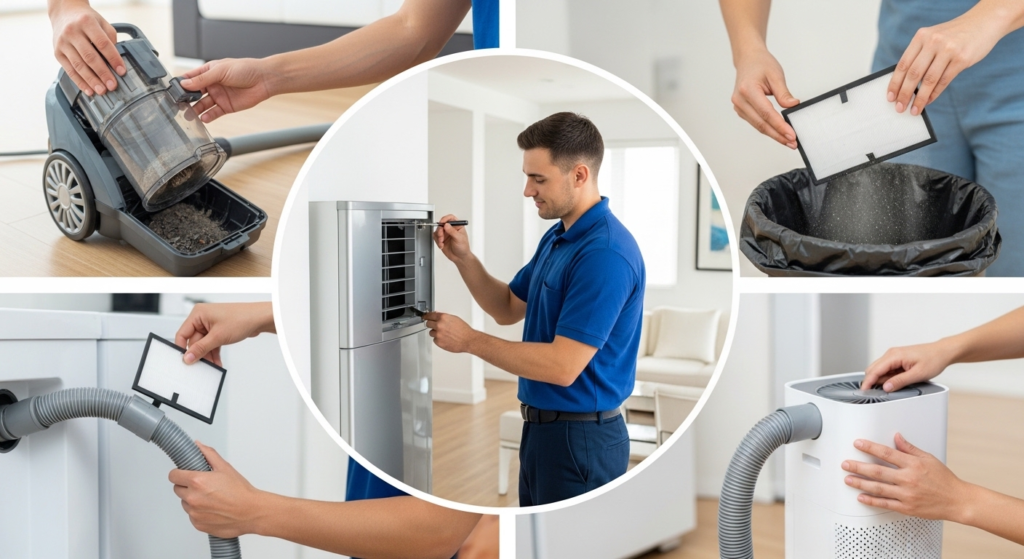
Following these expert tips will help you keep your Beam system operating efficiently year after year.
1. Empty the Dirt Canister Regularly
One of the simplest but most important maintenance tasks is emptying the dirt receptacle.
Most households only need to empty the canister two to three times per year, depending on cleaning frequency and household size.
Signs it’s time to empty the container include:
- Reduced suction power
- Visible debris reaching the top of the container
- Dust is escaping when opening the unit
Keeping the container from becoming overly full helps maintain optimal airflow and suction.
2. Inspect and Clean the Filter
Filters play a crucial role in maintaining your system’s performance.
Over time, filters collect dust and fine particles, which can restrict airflow. To maintain proper filtration:
- Inspect the filter when emptying the canister
- Gently clean it if dust buildup is visible
- Replace it periodically according to manufacturer recommendations
Clean filters allow the motor to operate efficiently and prevent dust from circulating back into the air.
3. Monitor Suction Power
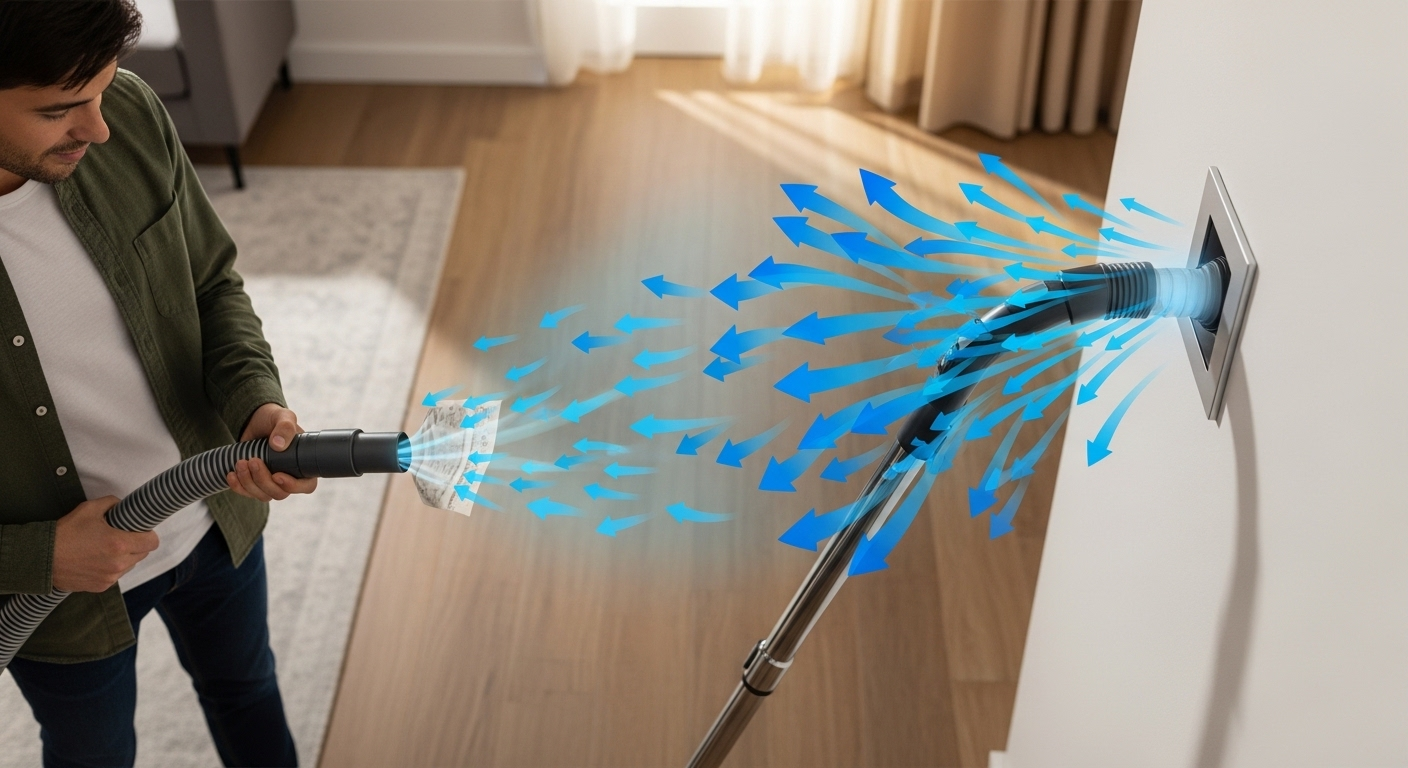
If you notice a drop in suction, it may indicate a blockage or maintenance issue.
Test suction at different inlet valves throughout the house. If suction is weak in one location but strong in another, the problem may be localized to a specific pipe section or inlet valve.
Early detection helps prevent larger system issues.
4. Inspect the Vacuum Hose
The hose is one of the most frequently used components of your Beam vacuum system.
Regularly check for:
- Cracks or splits in the hose
- Air leaks
- Bent or damaged connectors
Storing the hose properly and avoiding tight bends can extend its lifespan.
5. Prevent Pipe Blockages
Central vacuum pipes are designed to transport debris efficiently, but blockages can still occur.
Avoid vacuuming:
- Large objects
- Wet materials
- String, fabric, or large debris
Using proper attachments helps ensure debris flows smoothly through the system.
6. Keep the Motor Area Well Ventilated
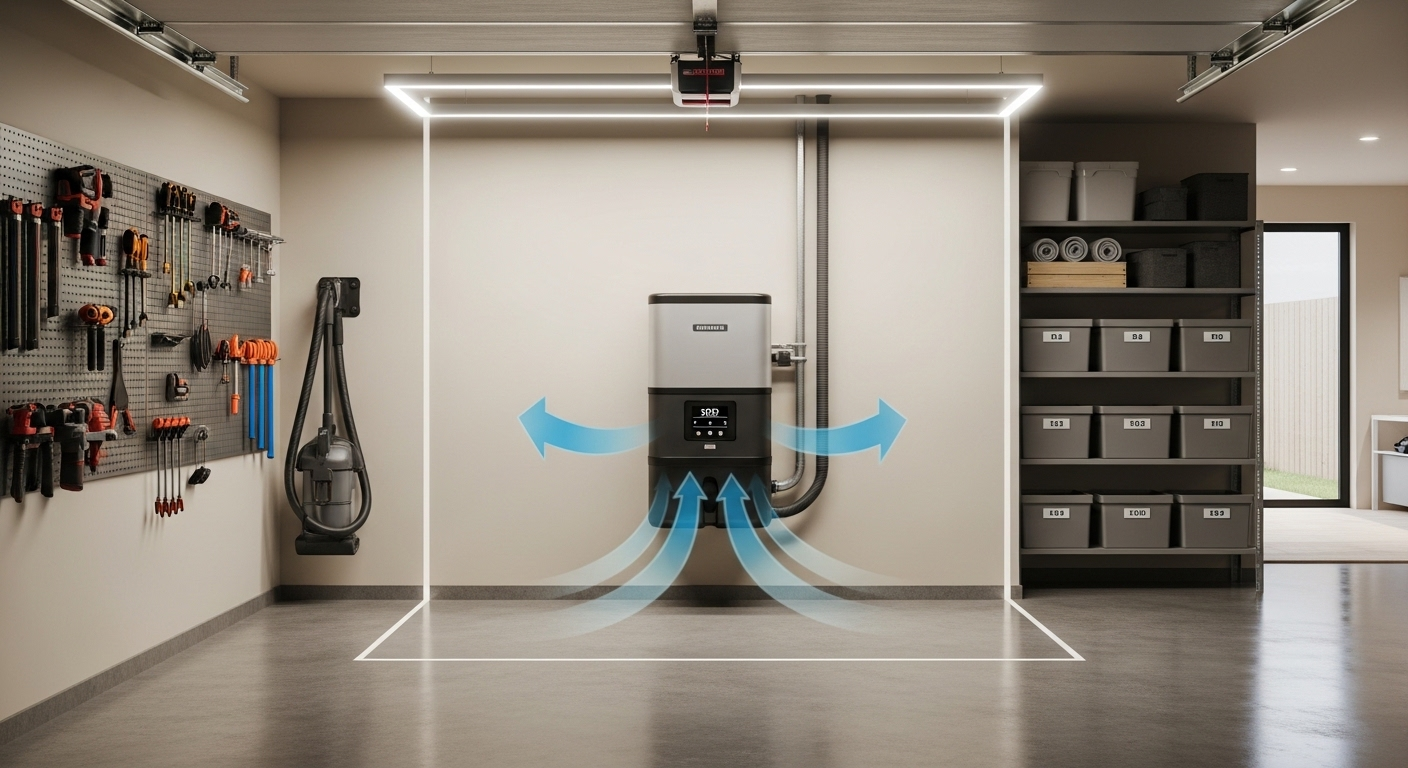
Your Beam vacuum unit relies on proper airflow to keep the motor cool.
To prevent overheating:
- Ensure there is adequate space around the unit
- Avoid stacking items near the motor housing
- Keep vents free from dust buildup
Proper ventilation protects the motor and extends its operational life.
7. Clean the Inlet Valves
Inlet valves can accumulate dust and debris over time.
Occasionally, wipe them with a dry cloth and check that:
- The door closes properly
- Electrical contacts remain clean
- No debris is obstructing the opening
Clean inlet valves ensure proper system activation when connecting the hose.
8. Schedule Professional Maintenance
While homeowners can handle basic maintenance, professional servicing can identify deeper issues.
A technician may inspect:
- Motor components
- Electrical connections
- Internal system airflow
- Pipe integrity
Scheduling professional maintenance every 1–2 years helps prevent unexpected system failures.
9. Listen for Unusual Motor Sounds
Changes in motor noise often indicate potential problems.
Warning signs include:
- Grinding noises
- High-pitched sounds
- Unusual vibrations
These symptoms may indicate worn carbon brushes, motor imbalance, or internal wear. Addressing these issues early can prevent major repairs.
10. Follow a Seasonal Maintenance Routine

Creating a seasonal maintenance checklist ensures your system stays in top condition year-round.
Spring
- Empty dirt canister
- Inspect filters
Summer
- Check airflow and ventilation
Fall
- Test suction at all inlets
Winter
- Schedule a professional inspection if needed
A seasonal routine prevents maintenance from being overlooked.
Common Beam Vacuum Problems and How to Fix Them
Even well-maintained systems can occasionally experience issues.
Loss of Suction
Common causes include:
- Full dirt canister
- Dirty filter
- Blocked hose or pipe
Emptying the container and cleaning filters usually resolves the problem quickly.
Vacuum Runs Continuously
If the system continues running after removing the hose, the issue may involve:
- A faulty inlet switch
- Electrical wiring issues
- A control board malfunction
A technician may be required for electrical troubleshooting.
Strange Motor Noises
Loud or unusual sounds may indicate:
- Worn motor brushes
- Fan damage
- Internal motor wear
Addressing these issues early can extend the life of the vacuum motor.
Signs Your Beam Vacuum System Needs Professional Service
Some warning signs indicate it’s time to call a professional.
Look for:
- Burning smell from the unit
- Weak suction across all inlets
- Frequent system shutdowns
- Electrical irregularities
- Persistent pipe blockages
Ignoring these symptoms may lead to larger and more expensive repairs.
Benefits of Regular Beam Vacuum Maintenance

Consistent maintenance offers several long-term benefits.
Longer System Lifespan
Well-maintained Beam systems can operate effectively for 15–20 years or more.
Better Indoor Air Quality
Central vacuum systems remove dust and allergens from living spaces rather than recirculating them.
Consistent Cleaning Power
Regular maintenance ensures strong suction and efficient debris removal.
Reduced Repair Costs
Preventive care helps detect issues early before they become expensive problems.
Conclusion
Beam vacuum systems are designed for durability, efficiency, and long-term performance, but even the most reliable system requires occasional care. By following these 10 expert maintenance tips, you can ensure your vacuum system maintains strong suction, protects its motor, and continues operating efficiently for many years.
Routine tasks like emptying the dirt canister, cleaning filters, inspecting hoses, and preventing clogs can make a significant difference in system performance. Combined with occasional professional servicing, these maintenance practices will help keep your Beam vacuum system working like new.
Frequently Asked Questions (FAQ)
How often should I empty my Beam vacuum system?
Most homes need to empty the dirt receptacle two to three times per year, depending on usage.
Do Beam vacuum filters need to be replaced?
Yes. While some filters are self-cleaning, replacing them periodically helps maintain optimal airflow and performance.
Why is my Beam vacuum losing suction?
Loss of suction is usually caused by a full dirt container, a clogged hose, a dirty filter, or a pipe blockage.
How long does a Beam central vacuum motor last?
With proper maintenance, Beam vacuum motors can last 15–20 years or even longer.